The Grower’s Toolbox: Protecting Potatoes from Nematodes
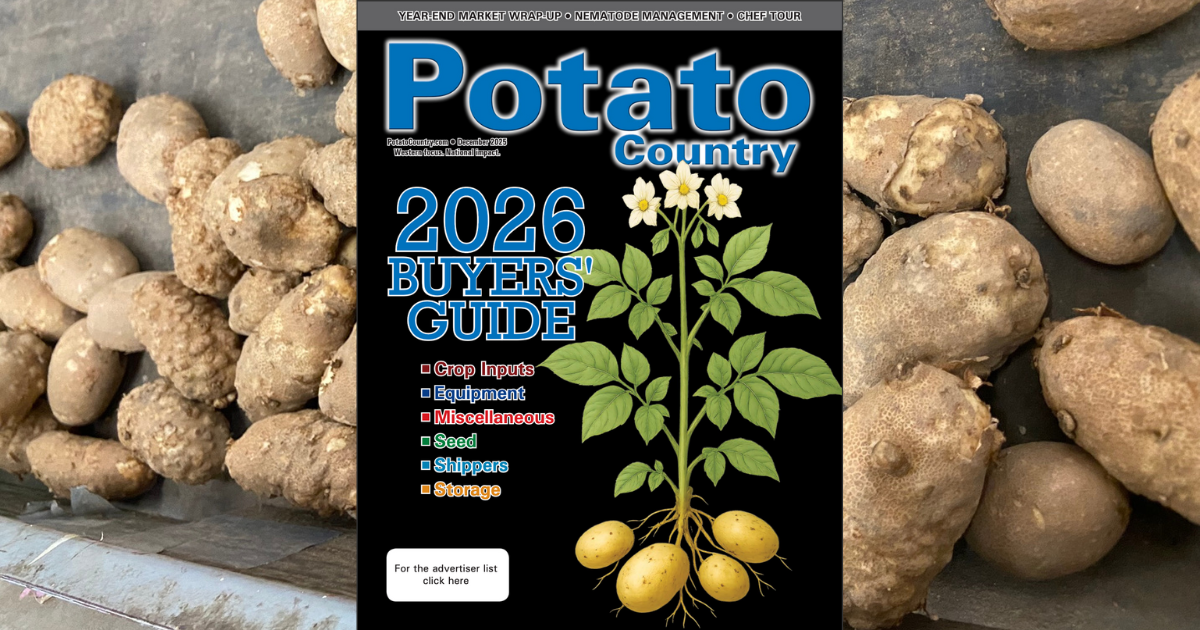
Article originally published in the December 2025 issue of Potato Country magazine, viewable here.
By Inga Zasada, Ph.D.
You can’t see them, but they’re there—tiny, persistent pests that threaten one of America’s most valuable crops. Potato nematodes don’t just damage roots—they can devastate yields, restrict market access, and persist in the soil for years. Unchecked, nematode infestations can lead to:
- Significant crop loss, sometimes reducing yields by up to 60%.
- Economic impacts through trade and planting restrictions and affected tubers not meeting market or export standards.
Managing plant-parasitic nematodes is essential for maintaining healthy potato crops, minimizing yield losses, and ensuring high-quality tubers. However, the ongoing difficulty and expense of managing nematodes in potato production is a challenge for the industry.
For decades, growers have fought these invisible enemies with fumigation, crop rotation, and strict sanitation measures. While these practices remain essential, other management options need to be considered.
Nematode-Resistant Varieties
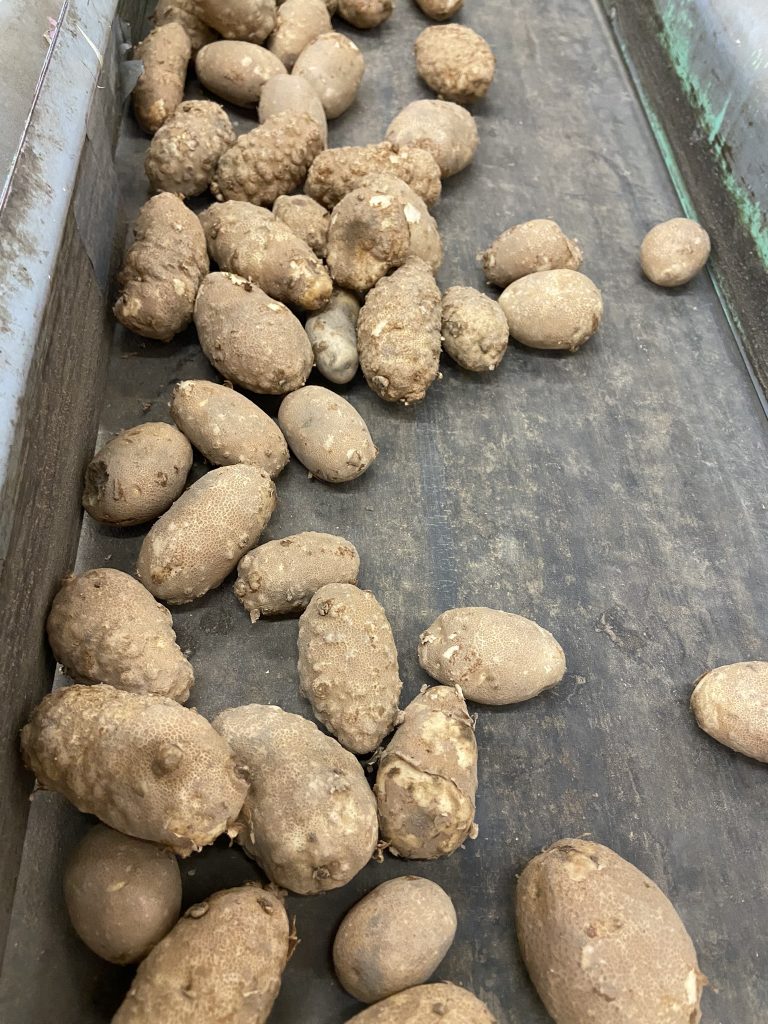
Planting nematode-resistant potato varieties can significantly reduce damage from nematodes. Resistant varieties are bred to withstand nematode attacks, limiting their spread and reproduction. Although resistant varieties represent one of the most sustainable and effective measures for plant pest control, commercially acceptable potato varieties resistant to plant-parasitic nematodes are extremely limited in the U.S.
Nematicides and Fumigants
Soil fumigants or nematicides can help reduce the number of nematodes in soil. However, applications are costly and can account for about 10% of total production costs. Plus, many front-line products have been banned or voluntarily withdrawn from the market while others suffer supply chain problems. These treatments should be part of an integrated management plan and used judiciously due to cost and environmental impact.
Crop Rotation
Some nematodes have a wide host range and attack many agricultural crops, while others are highly specialized and attack a few crops like potato. Crop rotation can disrupt nematode life cycles, reducing their population levels in the soil. However, potato cyst nematodes can remain viable for decades, even in the absence of a host crop making control extremely difficult and costly.
Soil Testing
Early detection through soil testing is key to managing potato nematodes. Knowing both the species of nematode and the population levels is critical for growers to determine risk levels and make informed management decisions. Because plant-parasitic nematodes are not found uniformly in the soil, multiple soil samples from a field should be combined into a composite sample and sent for analysis at a diagnostic lab. Timing the tests properly can ensure accurate results and help prevent crop damage.
- Post-harvest: Nematode population levels are usually highest post-harvest because they have fed and reproduced on the crop. Testing at this time provides a clear picture of the potential infestation level for the next growing season and provides enough time to implement control measures.
- Early spring: Testing before planting can also abe used to determine nematode levels in time to implement management strategies before the crop is planted.
- Mid-season: If plants show signs of nematode damage (e.g., stunted growth, yellowing leaves, or patchy areas in the field), mid-season testing helps confirm whether nematodes are the cause.
Prevention
Prevention is always more effective and cost-efficient than trying to control an established nematode population. Infested seed is one of the primary ways nematodes can spread. Always use certified seed potatoes. Nematodes can be spread through soil stuck to plant materials, clothing, and equipment. Ensure farm equipment, vehicles, and tools are cleaned thoroughly when moving between fields.
Despite these efforts, nematodes remain among the most challenging and costly pests in potato production. That’s why growers, researchers, and industry leaders are investing heavily in the next generation of nematode control strategies. By combining genetic resistance, biological products, and precision data tools, the industry is moving from reacting to infestations toward prevention.
New Tools and Insights
PAPAS (Potatoes & Pests: Actionable Science Against Nematodes) is a multi-institutional research collaboration that brings together nematologists, potato breeders, chemists, economists, and growers from across the U.S. to create more effective and sustainable management strategies. This team is tackling major challenges in potato nematode management through:
- Developing and testing new potato varieties with resistance to key nematode species. Resistant varieties could become one of the most effective, long-term management tools for growers.
- Formulating new nematicide chemistries from litchi tomato (Solanum sisymbriifolium) and other bio-based compounds with nematicidal activity.
- Improving diagnostics for faster, more accurate nematode identification.
- Developing predictive models of nematode pressure and economic impact for more precise management efforts.
- Educating the next generation of potato researchers.
- Engaging farmers by hosting on-farm trails, field days, and workshops.

Plant-parasitic nematodes are a complex challenge, but with careful management and the latest research-driven solutions, growers can limit their impact, protect yields, and secure the future of potato production.
Explore our website for the latest insights and research updates in potato nematode management.
Inga Zasada, Ph.D. is a nematologist, a PAPAS Project Co-Director, and owner of NemaSolutions LLC in Corvallis, Oregon.