Potato Damage from Root Knot Nematodes (Video)
Damage to potatoes caused by northern root-knot and Columbia root-knot nematodes.
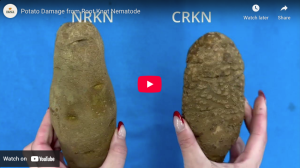
Damage to potatoes caused by northern root-knot and Columbia root-knot nematodes.
Sampling depth is an important factor in the likelihood of detecting nematodes through soil sampling. However, while the horizontal movement of nematodes in soil has been widely studied, research on their vertical movement is lacking.

Searle Farms owner-grower Bryan Searle, (Shelley, Idaho) recounts the challenges of pale cyst nematode detection in 2006.
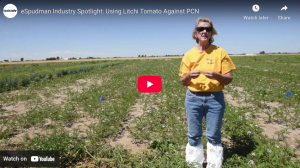
Researchers see promising results studying the efficacy of Solanum sisymbriifolium (litichi tomato or sticky nightshade) as a non-host trap crop to help eliminate pale cyst nematode in eastern Idaho.

A team of scientists and researchers named Potatoes & Pests – Actionable Science Against Nematodes (PAPAS) announced today their plans to address industry-wide challenges in managing potato nematodes.
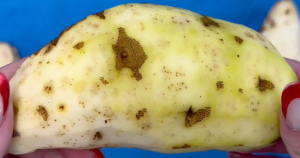
Widespread across cooler climates, northern root-knot nematode (Meloidogyne hapla) causes internal and external tuber damage that reduces potato quality.
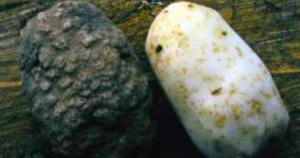
Research into breeding resistance to Columbia root-knot nematode into commercial potato varieties.
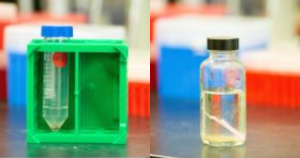
Developing molecular markers of Columbia root-knot nematode (M. Chitwoodi) aids in faster identification of the potato nematode races.

Cysts from golden nematode, a yield-reducing potato pest, can survive in the soil for decades, making eradication difficult.
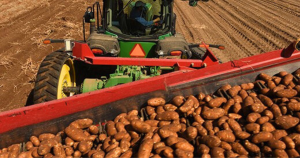
Research addressing the potential profitability of nematode resistant potato varieties.