Closing the Gap in Nematode-Resistant Potato Varieties
Growing potato varieties resistant to plant-parasitic nematodes is one of the most powerful and cost-effective strategies for combatting these damaging pests. Varieties with meaningful nematode resistance reduce or eliminate the need for nematicide applications, directly cutting per-acre input costs. As nematicides and fumigants face increasing regulatory pressure and some chemistries go off the market, resistance offers a more sustainable management pathway to nematode control.
By preventing nematodes from successfully reproducing, resistant varieties can reduce soil populations — both within a single growing season and over time when used in rotation with non-host crops. This lowers nematode pressure in infested fields, benefiting not just the current crop but also those that follow. Combined with sampling, rotation, and targeted chemical inputs where necessary, resistant varieties are a cornerstone of durable, long-term integrated pest management.
Where Resistance Exists — and Where It Doesn’t
Developing potato varieties with nematode resistance that also meet the needs of the market is a challenging undertaking and can take many years. A variety with excellent nematode resistance but undesirable characteristics for processing or tablestock markets will be of limited use to the industry. For most nematode species causing the greatest economic damage to U.S. potato growers, commercially viable resistant varieties simply do not exist.
Golden cyst nematode (Globodera rostochiensis) pathotype Ro1 is the success story. Through the discovery of the H1 gene in the 1950s, many cultivars produced in the Northeast have introgressed Ro1 resistance into potato varieties, and it remains highly effective for controlling the golden cyst nematode in New York. The majority of these cultivars align with the market needs of this region (round whites), enabling growers to reduce populations in their fields while producing a product they can sell. However, only two varieties carry resistance to pathotype Ro2, which is a growing concern. PAPAS researchers are evaluating additional resistance genes to help manage it.
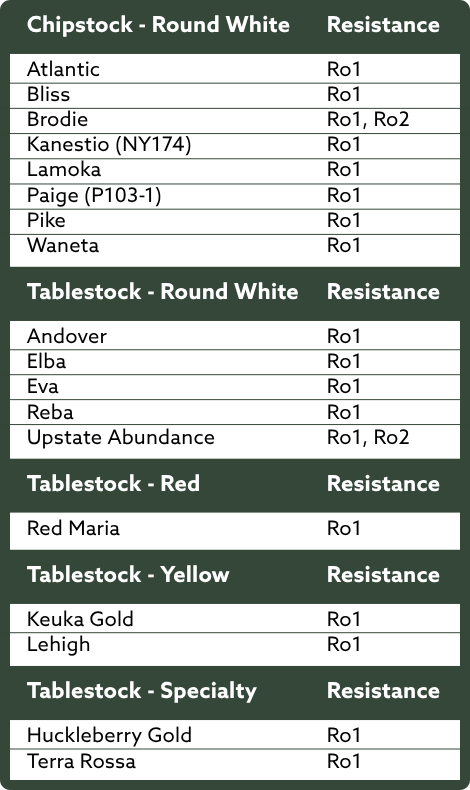
The success with Ro1 demonstrates at commercial scale what host plant resistance can achieve when it is available, accessible, and well-matched to the target pest. However, no commercial varieties are resistant to two significant nematodes impacting U.S. potato production: the pale cyst nematode (Globodera pallida) and root-knot nematodes (Meloidogyne chitwoodi and M. hapla).
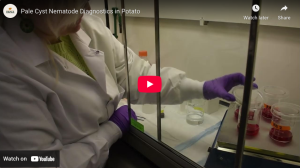
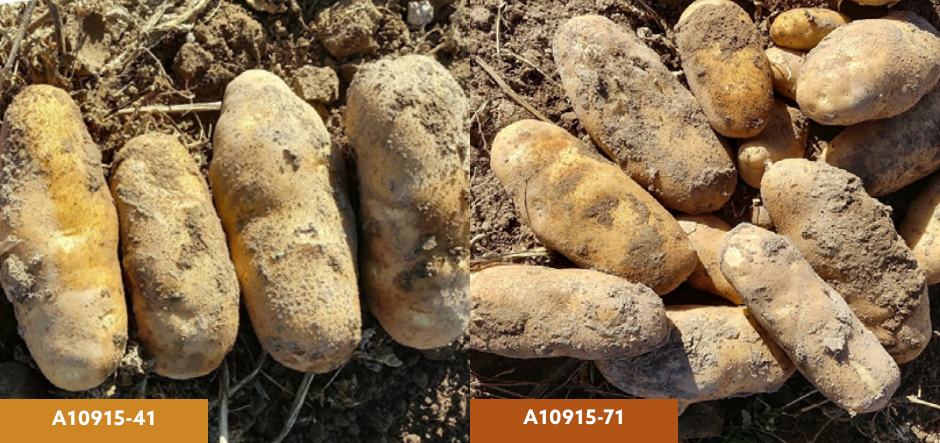
The pale cyst nematode (Globodera pallida) presents a challenge. In Idaho, where the pale cyst nematode is found, processing varieties are the main focus of potato production. Yet resistance for this market class (russet-skinned potatoes with oblong tuber shapes suitable for french fries) is not available. Currently, available germplasm confers partial resistance to the pathotype present in Idaho, so breeders must combine several genes to meet performance needs. PAPAS researchers are making progress. Crossing the resistant variety ‘Eden’ with the non-resistant russet-skinned variety ‘Western Russet’ has identified promising offspring exhibiting resistance to potato cyst nematodes. Top performers with strong agronomic traits and resistance are in advanced field trials.
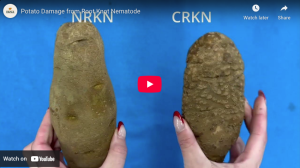
Root-knot nematodes (Meloidogyne chitwoodi and M. hapla) represent an urgent need. Even though root-knot nematodes are distributed across some major potato-producing regions, no commercial U.S. potato varieties have resistance to Columbia root-knot nematodes (M. chitwoodi) or northern root-knot nematodes (M. hapla). PAPAS researchers are evaluating wild potato species for new sources of resistance, which do not have the high yielding and processing traits desired, requiring further research and evaluation. Digital tools such as optical grading, AI-based trait detection, and drone canopy imaging are improving selection efficiency.
The Science Behind the Search
The lack of suitable cultivars with resistance to pale cyst nematodes and root-knot nematodes highlights the urgent need to breed resistant cultivars for infested areas. Identifying new sources of resistance and incorporating them into commercially viable potato varieties, especially the russet market class, is an active effort of the PAPAS project team.
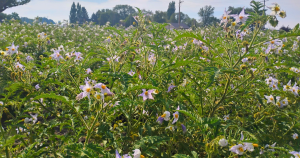
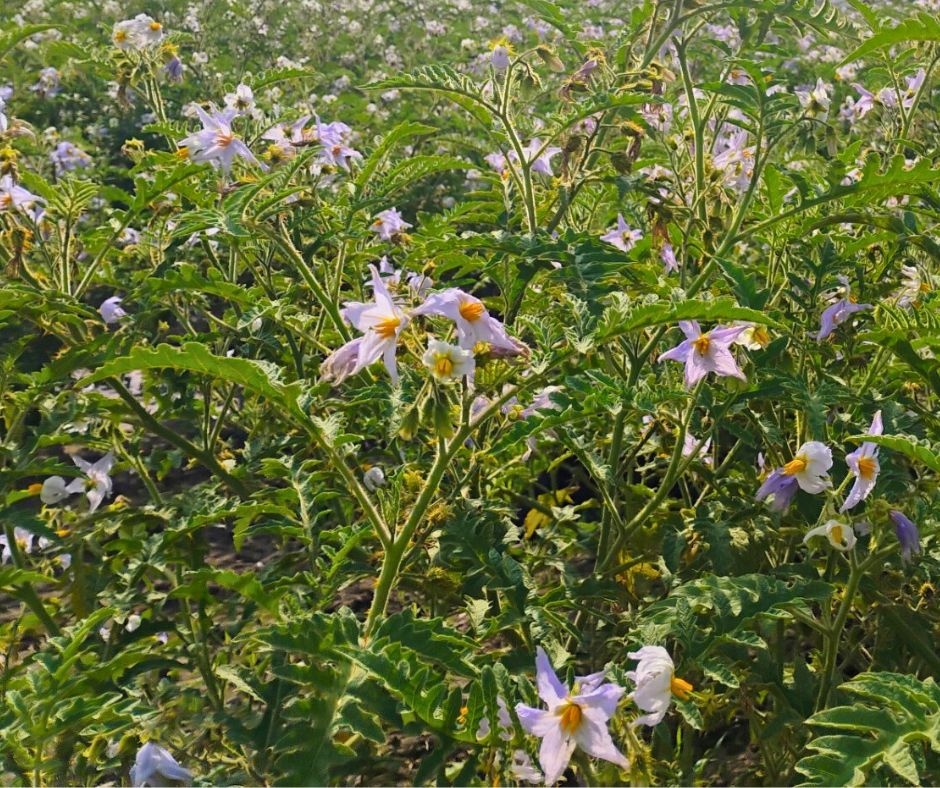
For years, PAPAS researchers have studied litchi tomato (Solanum sisymbriifolium), also known as sticky nightshade, to understand how its naturally occurring resistance to potato cyst nematodes and root-knot nematodes might contribute to nematode defense in potatoes. Current work has introduced litchi tomato genes into potato, identifying strong candidates for further improvement.
PAPAS researchers are also drawing on resistance genetics developed in other international breeding programs. Known resistance genes from these sources are being conventionally bred into russet-type potatoes using molecular markers — specific DNA sequences linked to known nematode resistance genes. Breeders can test seedlings for the presence of resistance genetics early in the breeding process and screen large numbers of candidate plants quickly. Advanced clones with resistance and promising market features are currently under evaluation, undergoing extensive testing to determine whether they have the agronomic performance required for commercial release.
There are some nematode resistant potato varieties developed by other countries that are largely unavailable for U.S. growers and may not have been tested against U.S. nematode populations. If a foreign variety is of interest, please contact PAPAS researchers to coordinate resistance testing.
What Growers Can Do Now
Where resistant varieties do exist and are applicable — particularly for the golden cyst nematode in New York — they remain highly effective tools for growers in affected regions.
Understanding the nematode species, population levels, and distribution within fields is important in helping growers determine the best management strategies. Soil sampling through a nematode diagnostic laboratory and maintaining accurate field records creates the foundation for management decisions.
The PAPAS project is working to ensure U.S. potato growers have resistant variety options for the full range of economically important nematode species across market classes. By participating in U.S. variety trial programs, growers can contribute valuable field data that directly informs breeding programs.
Stay informed about variety development milestones, new research findings, and emerging management tools through our email newsletter.
Read more about potato nematode resistance research:
- $500 Per Acre: The Real Costs of Potato Nematodes
- 2025 Stakeholder Report: Accomplishments in Potato Nematode Research
- New Research Maps Resistance to Potato Cyst Nematode
- The Future of Potato Nematode Management: A Systems Approach
- PAPAS 2024 Annual Report Highlights Research Program
- Genomic Prediction for Breeding Resistance to Columbia Root-Knot Nematode (CRKN) in Potato
- Breeding for Nematode Resistance in Commercial Potato Varieties