Idaho High School Grows Litchi Tomato for Potato Nematode Research
The litchi tomato plants have been harvested, sectioned, and stored for further research by PAPAS.

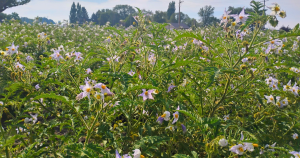
The litchi tomato plants have been harvested, sectioned, and stored for further research by PAPAS.
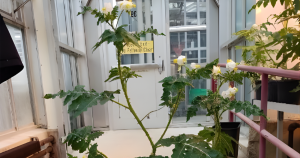
Evaluating the total effect of litchi tomato plant biomass compounds for root-knot nematode management.

Researching the potential for breeding PCN-resistant russet varieties, an important step toward developing more PCN-resistant potato varieties for a stronger potato industry.
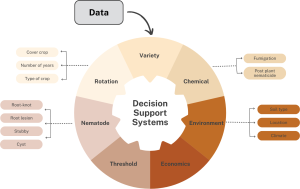
Providing potato growers with precise, data-driven strategies to effectively and sustainably combat plant-parasitic nematodes.

The PAPAS 2024 annual report showcases significant progress made in research for systems approach to potato nematode management.
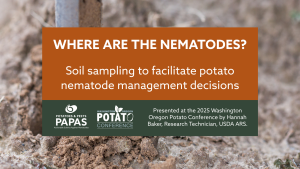
Learn more about why sampling for nematodes is important for potatoes; consideration for soil sampling (number of samples, depth, time of year); and research about potato nematode presence and sampling.
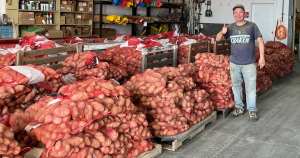
Advancing potato varieties with resistance to Columbia root-knot nematode (CRKN) through genomic prediction.

Found in the western US, Columbia root-knot nematode (Meloidogyne chitwoodi) infects potato roots and tubers, causing blemishes and defects that reduce quality.
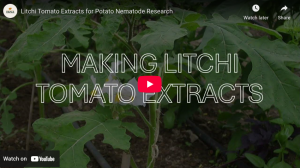
See how extracts from litchi tomato (Solanum sisymbriifolium) are made afrom plant material for potato nematode research.

Introduction into Washington State University’s Potato Research Group: research projects, partnerships, and extension outreach.